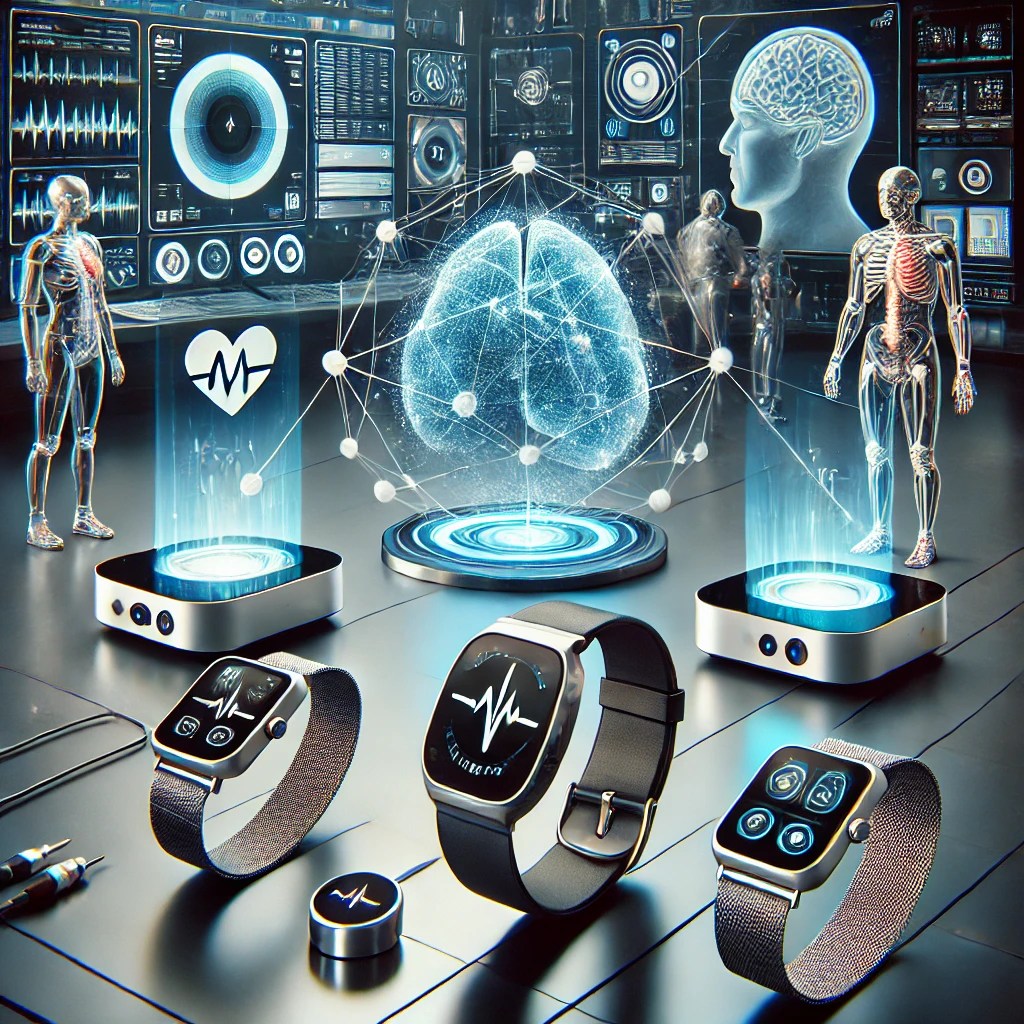
In the rapidly evolving landscape of healthcare technology, artificial intelligence (AI) is emerging as a game changer, particularly in the realm of cardiac arrest. With heart disease being one of the leading causes of death globally, the need for innovative approaches to prevention, detection, and treatment has never been more critical. AI’s ability to analyse vast datasets, recognise patterns, and make predictive assessments offers the potential to transform how we manage cardiac health.
Early Detection of Cardiac Arrest
One of the most promising applications of AI in cardiac care is the early detection of cardiac arrest. Wearable health devices such as smartwatches are already being equipped with advanced sensors that can monitor heart rates, detect irregular rhythms, and even predict potential cardiac events. Apple’s latest Apple Watch Series 10 and Google’s Pixel Watch 3 have taken strides in this direction by incorporating real-time heart monitoring systems that can send alerts in the case of abnormal heart activity.
For example, Google’s Pixel Watch 3 has introduced Loss of Pulse Detection, a feature that can notify emergency services if it detects a loss of pulse, a key indicator of cardiac arrest. This type of real-time monitoring can be life-saving, offering immediate intervention in critical moments.
The iPhone 16 series introduces significant health-focused features. Powered by the A18 chip and integrated with Apple Intelligence, the device uses AI to offer personalised health insights by analysing user data. It tracks health metrics like sleep patterns, heart rate, and movement more efficiently. Additionally, its improved camera system can support health applications such as dermatological scans. The AI-driven system in iPhone 16 helps optimise wellness through features like adaptive health recommendations, making it easier for users to manage their health
AI in Predictive Healthcare
Artificial intelligence also plays a crucial role in predictive healthcare. AI algorithms, particularly those used in wearable devices, can analyze historical data from users to predict potential heart-related incidents. This allows for proactive healthcare, where interventions can be made before a critical event occurs. AI-powered platforms are leading the way in providing users with personalised health insights based on their day-to-day activity and heart metrics.
The integration of AI with these health-monitoring systems is particularly promising for high-risk individuals. As highlighted in various studies, AI’s ability to process continuous streams of data from wearable can help detect anomalies far earlier than traditional methods. This predictive capability is key to moving from reactive to preventative healthcare.
AI and Cardiac Arrest
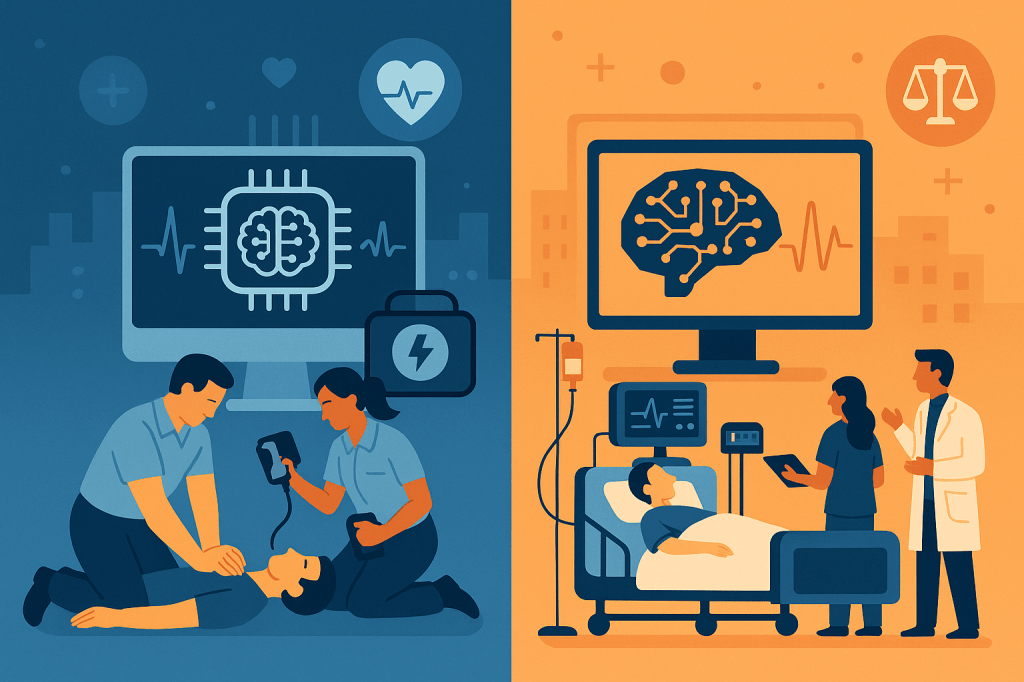
AI’s role in cardiopulmonary resuscitation (CPR) is expected to evolve dramatically in the coming years. Innovations like robotic CPR and wearable AEDs could soon provide immediate assistance to individuals experiencing a cardiac arrest. The concept of AI-driven AEDs that autonomously detect and respond to cardiac events holds immense potential for improving out-of-hospital survival rates.
Companies like Apple and Google are positioning their devices to be part of this future ecosystem. For instance, wearable technologies could soon be integrated with AI systems that trigger automated defibrillation or even guide bystanders through real-time CPR using augmented reality. This aligns with predictions that such innovations could be widely adopted within the next five to ten years.
Ethical and Privacy Challenges
While the benefits of AI in cardiac arrest are clear, there are ethical and privacy concerns that must be addressed. Continuous health monitoring through wearable means sensitive personal data is constantly being collected. Ensuring that this data is handled securely and ethically is crucial. Both Apple and Google have emphasised the importance of privacy in their wearable devices, but as the technology evolves, so too must the regulatory frameworks that govern it.
The Future of Cardiac Arrest with AI
The convergence of AI and wearable health technology is set to revolutionise cardiac arrest, improving detection, prediction, and response times for cardiac events. As the technology continues to advance, the integration of AI into healthcare systems will likely make personalised, real-time healthcare more accessible than ever before. Innovations like ambient vital sign monitoring, AI-driven defibrillation, and wearable health assistants are just the beginning of what could become a comprehensive, AI-powered cardiac care ecosystem.
In the next decade, these advancements could not only save lives but also significantly improve the quality of life for individuals at risk of heart disease. The race between tech giants like Apple and Google to innovate in this space could result in a future where heart disease is better managed, and cardiac arrest survival rates improve dramatically.
The future is bright, but it requires a careful balance of technological advancement, ethical oversight, and robust healthcare collaboration to ensure that AI delivers on its promise in the world of cardiac health.
Reference



 AGATA TEAM
Leave a comment